Our Programs
Through school- and community-based take-home food programs, we provide thousands of families with convenient, reliable access to nutritious fresh food and staples.
Nutrition is essential for a healthy childhood.
Thousands of families in our community struggle to put nutrient-dense foods, like fresh fruits and vegetables, on the table. All Maine students now have access to free breakfast and lunch at school, but too many still experience hunger after school, on the weekends, and during school breaks. High and rising prices for groceries, especially fresh produce, put the nutrition kids need out of reach, even while those same items are at risk of going to waste in every neighborhood.
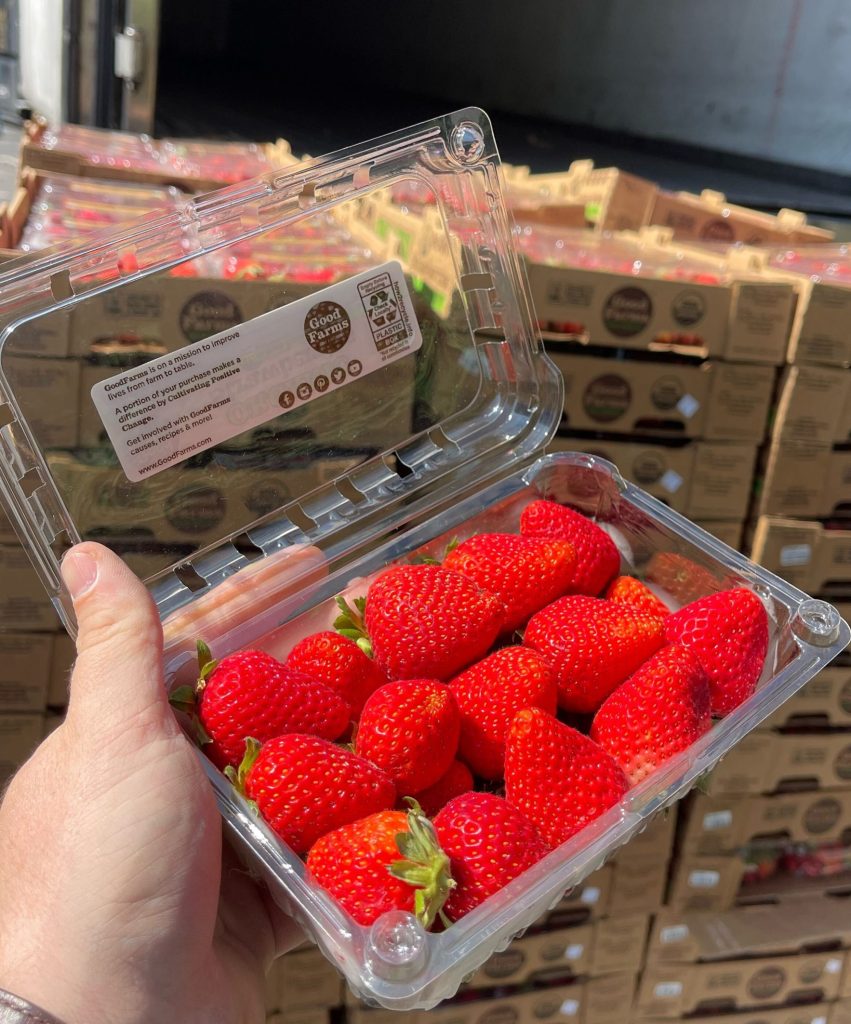
To make more fresh food available to under-resourced families, we rescue thousands of pounds every week from local markets and divert it from the waste stream to hunger relief.
We focus on kids and their families.
We work to reach kids from birth through high school and adapt our program model for different age ranges. Taking a “whole-family approach,” we acknowledge and support parents as dietary role models who need healthy food, too. Our programs help reduce financial and emotional stress for families, stretching weekly food budgets while making nourishing food easily available.
We share food three ways: school partnerships, agency partnerships, and community fresh food events.
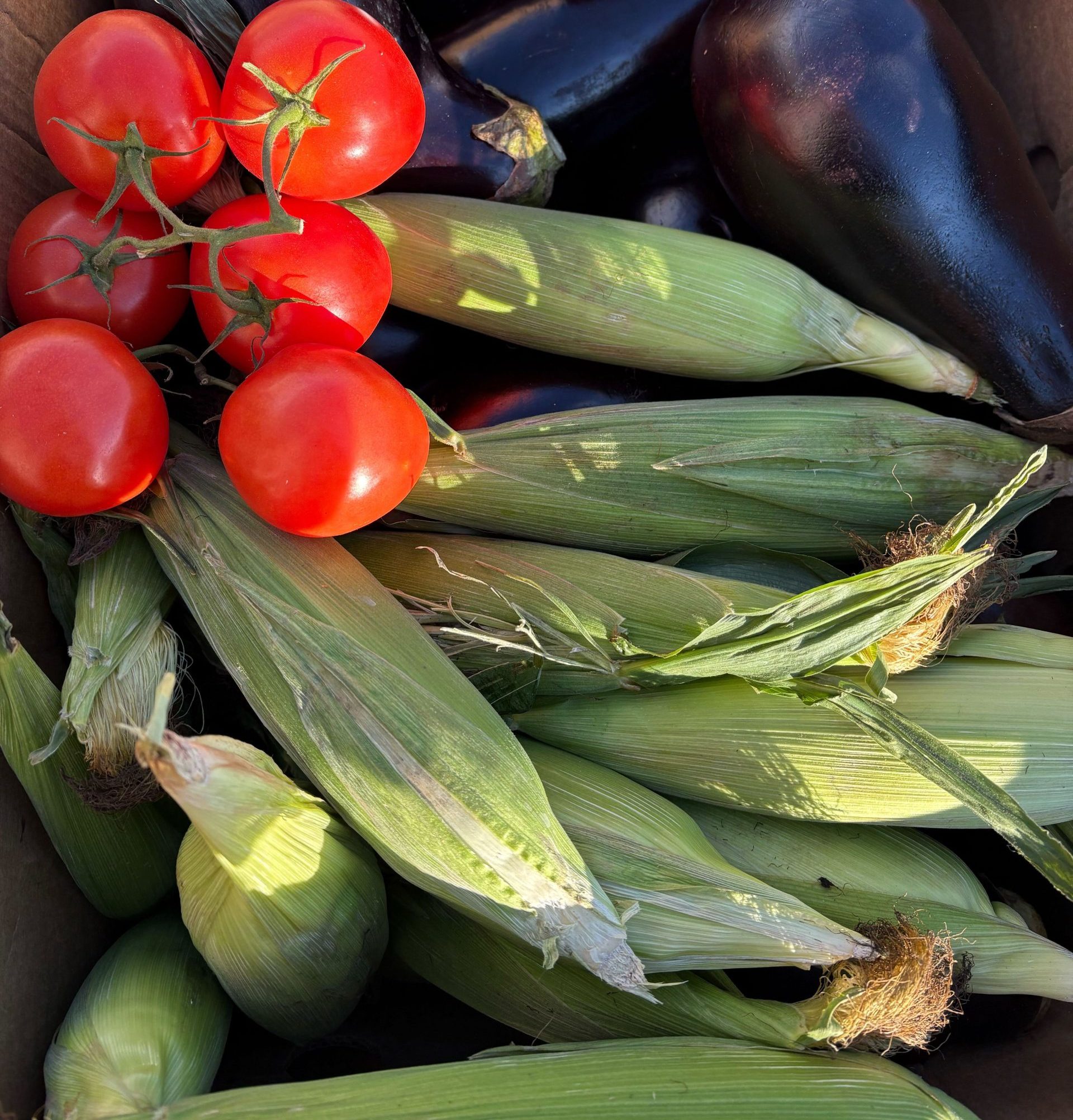
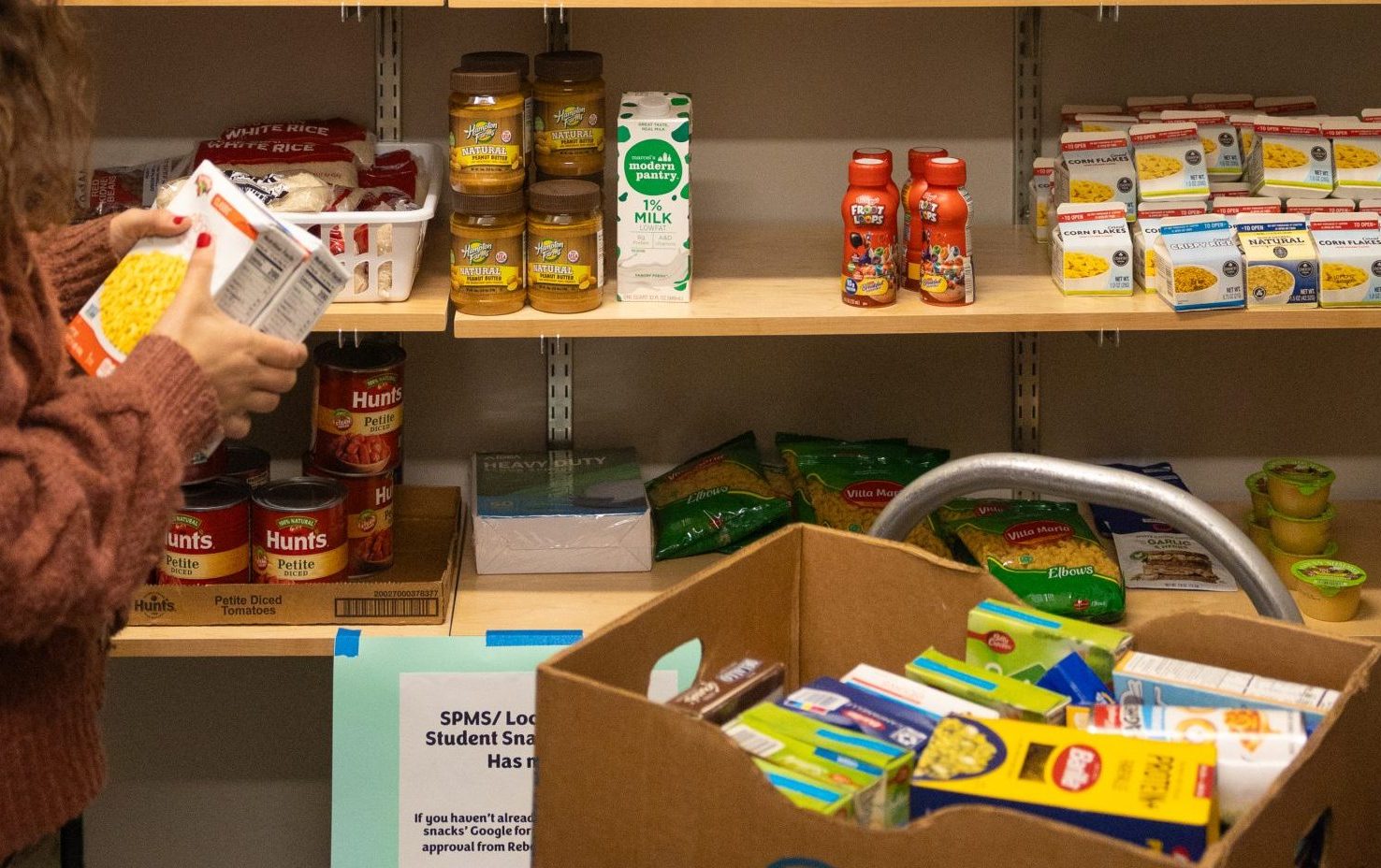
With the help of 100+ volunteers, we share more than 3,000 pounds of food with families each week. At least 80% is fresh food (whole fruits and vegetables, meat, bread, and more). We also offer staples like rice, soup, and beans that help families make nourishing meals.
School Partnerships
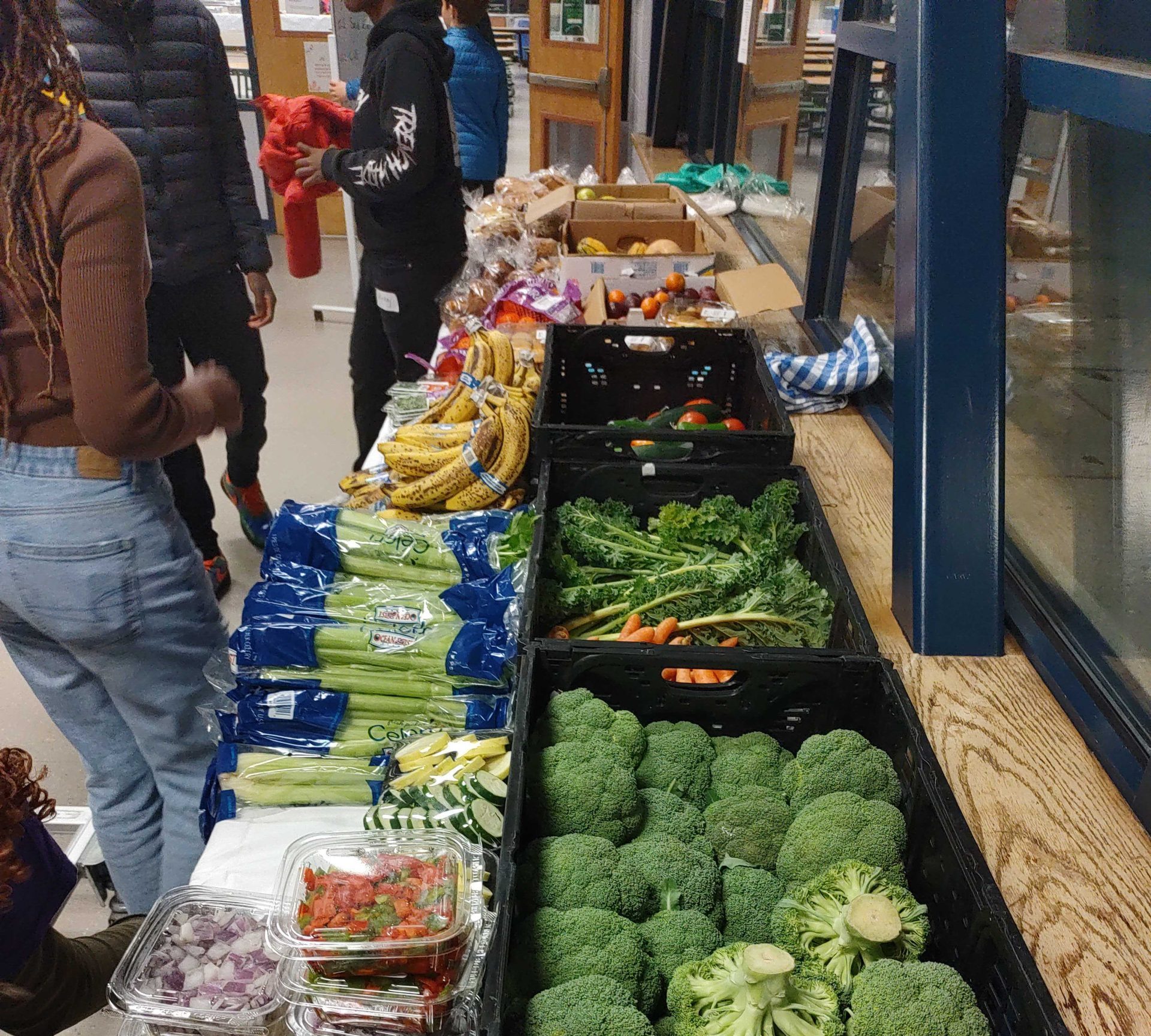
During the school year, we partner with Portland, South Portland, and Westbrook schools by stocking their on-site pantries, providing take-home bags, and hosting farmer’s market-style, free fresh food events. In the summer, we collaborate with school district nutrition offices to provide fresh take-home food at selected summer meal sites.
Agency Partnerships
We also partner with local agencies and programs (such as Head Start, WIC, and the Intercultural Community Center) to make it easy for families with children to access food. As with our school partners, we collaborate with agency staff to determine which program model will work best for the families they serve. Case managers at partner agencies are also able to order family food boxes for home delivery.

Community Fresh Food Events
Each week, all year long, our staff and volunteers set up tables with fresh produce, bread, and frozen meat at parks, community centers, and other accessible locations. All are welcome to attend and take home nutritious items that meet their cultural preferences and dietary needs.